Are Organic Fruits and Vegetables Really Better for Your Health?
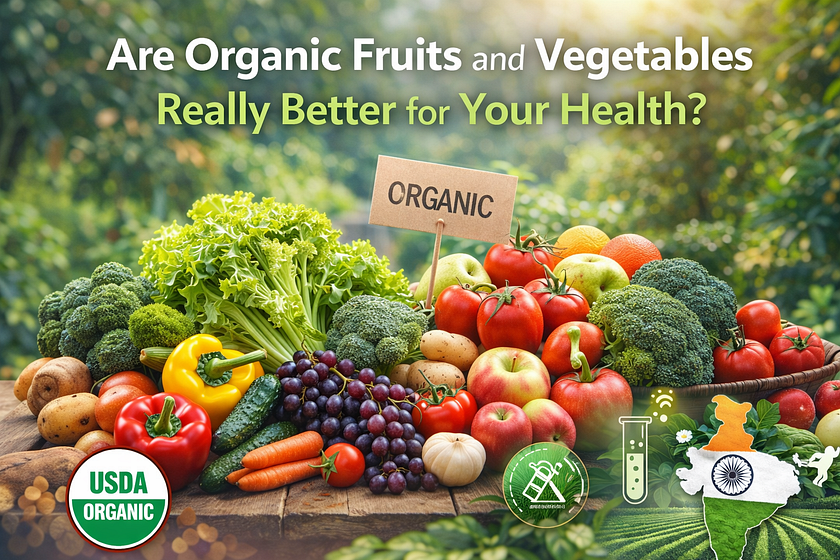
In recent years, more people have started choosing organic fruits and vegetables over regular produce. From supermarkets to local markets, organic food is becoming easier to find. But many shoppers still wonder — are organic fruits and vegetables really better, and are they worth the higher price? Let’s take a closer look at the benefits and why organic produce is gaining popularity.
What Does “Organic” Actually Mean?
Organic fruits and vegetables are grown without the use of synthetic pesticides, chemical fertilizers, or genetically modified seeds. Farmers use natural methods like compost, crop rotation, and biological pest control to keep the soil healthy and crops protected.
These farming practices aim to protect both human health and the environment while producing fresh, natural food.
Fewer Chemical Residues
One of the main reasons people choose organic produce is to avoid chemical residues. While regular fruits and vegetables are considered safe when washed properly, organic options generally contain lower levels of pesticide residue.
This can be especially important for children, pregnant women, and people who prefer to reduce long-term exposure to chemicals in their daily diet.
Better for Soil and Environment
Organic farming focuses on improving soil quality and supporting biodiversity. Healthy soil leads to stronger plants and reduces the need for harmful chemicals. It also helps protect water sources and nearby ecosystems.
By choosing organic produce, consumers are indirectly supporting farming practices that are more sustainable and eco-friendly.
Nutritional Value: Is There a Difference?
Studies show mixed results when it comes to nutrition, but some research suggests that organic fruits and vegetables may contain slightly higher levels of certain antioxidants and minerals. However, the biggest health benefit still comes from eating more fruits and vegetables overall, whether organic or not.
That said, many people believe organic produce tastes fresher, especially when it is locally grown and harvested at the right time.
Supporting Small and Local Farmers
Many organic farms are small-scale and family-run. Buying organic often helps support local farmers who use responsible farming practices and invest in long-term soil health rather than short-term production gains.
This creates a stronger local food system and encourages ethical farming.
Is Organic Always Worth the Price?
Organic produce usually costs more because it requires more labor, careful farming methods, and lower crop yields. Whether it is “worth it” depends on personal priorities, budget, and access.
Some people choose to buy organic only for certain items like leafy greens, berries, and fruits with thin skins, while buying regular produce for others.
Final Thoughts
Organic fruits and vegetables offer clear benefits when it comes to lower chemical exposure, environmental protection, and sustainable farming. While they may not always be dramatically more nutritious, they support healthier farming systems and give consumers peace of mind.
In the end, the most important thing is to include plenty of fruits and vegetables in your diet. If organic fits your budget and values, it can be a great choice for both your health and the planet. 🌱🥕🍎


Comments
Post a Comment