Agentic AI Explained: Features, Benefits & How It’s Different From Traditional AI
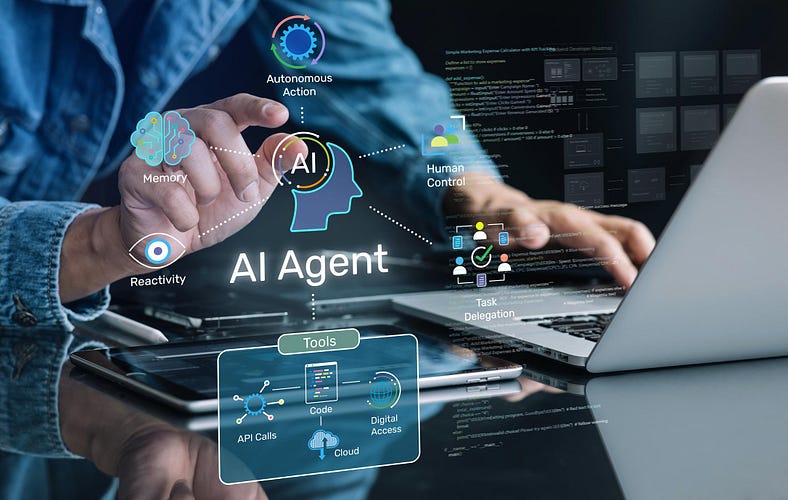
Artificial Intelligence is evolving rapidly, and one of the biggest advancements in recent years is the rise of Agentic AI. Unlike traditional AI systems that simply respond to commands, Agentic AI can independently make decisions, plan tasks, adapt to changing situations, and take actions with minimal human involvement.
From autonomous customer support systems to intelligent business automation, Agentic AI is shaping the next generation of AI-powered experiences.
In this blog, we’ll explore what Agentic AI is, its key features, benefits, real-world applications, and how it differs from conventional AI systems.
What Is Agentic AI?
Agentic AI refers to AI systems designed to act like intelligent agents capable of pursuing goals autonomously. These systems can understand objectives, make decisions, take actions, learn from outcomes, and continuously improve their performance without needing constant human instructions.
In simple terms, Agentic AI doesn’t just answer questions — it actively works toward completing tasks.
For example:
- A traditional chatbot may answer customer queries.
- An Agentic AI system can resolve complaints, process refunds, schedule follow-ups, and escalate issues automatically.
This shift transforms AI from a passive tool into an active digital assistant capable of executing complex workflows.
Key Features of Agentic AI
1. Autonomous Decision-Making
One of the biggest strengths of Agentic AI is its ability to make decisions independently based on goals, data, and real-time conditions.
Instead of waiting for step-by-step commands, Agentic AI evaluates situations and determines the best course of action.
2. Goal-Oriented Behavior
Agentic AI focuses on achieving specific objectives.
For example:
- Completing a booking
- Resolving a customer issue
- Managing workflows
- Optimizing business operations
The AI continuously adjusts its actions until the goal is achieved.
3. Multi-Step Task Execution
Unlike traditional AI systems that handle isolated tasks, Agentic AI can perform multiple connected actions automatically.
Example:
- Analyze customer request
- Retrieve account details
- Verify eligibility
- Process refund
- Send confirmation email
All without human intervention.
4. Context Awareness
Agentic AI can understand context across conversations, workflows, and environments.
This enables:
- More personalized interactions
- Smarter recommendations
- Better decision-making
- Improved customer experiences
5. Continuous Learning & Adaptation
Modern Agentic AI systems learn from interactions and outcomes over time. They adapt to changing environments and improve efficiency continuously.
This makes them more dynamic compared to rule-based automation systems.
How Agentic AI Is Different From Traditional AI
Traditional AIAgentic AIResponds to commandsPursues goals autonomouslyHandles single tasksManages complex workflowsRequires constant instructionsMakes independent decisionsLimited adaptabilityLearns and adapts continuouslyMostly reactiveProactive and action-driven
Traditional AI acts more like a tool, while Agentic AI behaves more like an intelligent digital worker.
Benefits of Agentic AI
Faster Automation
Agentic AI can automate entire workflows instead of individual actions, reducing manual effort significantly.
Improved Productivity
Businesses can handle repetitive tasks more efficiently, allowing employees to focus on strategic work.
Better Customer Experience
AI agents can provide:
- Faster response times
- Personalized interactions
- 24/7 support
- Proactive issue resolution
Reduced Operational Costs
By automating complex tasks, companies can lower staffing costs and improve efficiency.
Smarter Decision-Making
Agentic AI analyzes large amounts of data in real time, helping organizations make better decisions faster.
Real-World Applications of Agentic AI
Customer Support
AI agents can:
- Handle support tickets
- Resolve billing issues
- Schedule appointments
- Escalate critical cases
without human involvement.
Healthcare
Agentic AI can assist with:
- Patient scheduling
- Medical data analysis
- Treatment recommendations
- Hospital workflow automation
Finance & Banking
Banks use Agentic AI for:
- Fraud detection
- Financial recommendations
- Automated loan processing
- Customer assistance
E-Commerce
Online retailers use Agentic AI for:
- Personalized product recommendations
- Order tracking
- Inventory management
- Automated customer engagement
Software Development
AI coding agents can:
- Generate code
- Debug applications
- Test software
- Automate development workflows
Challenges of Agentic AI
Despite its advantages, Agentic AI also introduces new challenges.
Safety & Control
Highly autonomous systems require strong monitoring to avoid incorrect decisions or unintended actions.
Data Privacy
Since Agentic AI relies heavily on data, protecting sensitive information becomes critical.
Ethical Concerns
Questions around accountability, transparency, and AI decision-making remain important areas of discussion.
Infrastructure Requirements
Advanced Agentic AI systems often require:
- Large-scale computing power
- High-quality datasets
- Continuous model training
The Future of Agentic AI
Agentic AI is expected to become a major part of future digital ecosystems.
As AI models become more advanced, we’ll likely see:
- Fully autonomous business workflows
- AI-powered digital employees
- Smarter enterprise automation
- Hyper-personalized customer experiences
- Human-AI collaborative work environments
Industries that adopt Agentic AI early may gain significant advantages in efficiency, innovation, and customer satisfaction.
Final Thoughts
Agentic AI represents the next major evolution in artificial intelligence. Instead of simply responding to prompts, these systems can think, plan, act, and adapt independently to achieve goals.
From customer service and healthcare to finance and software development, Agentic AI is already transforming how businesses operate.
As the technology matures, Agentic AI will likely become one of the most important drivers of automation and intelligent decision-making in the coming years.


Comments
Post a Comment